Notes from Nahan: A Tea Mountain in Jingdong's Ailao Range
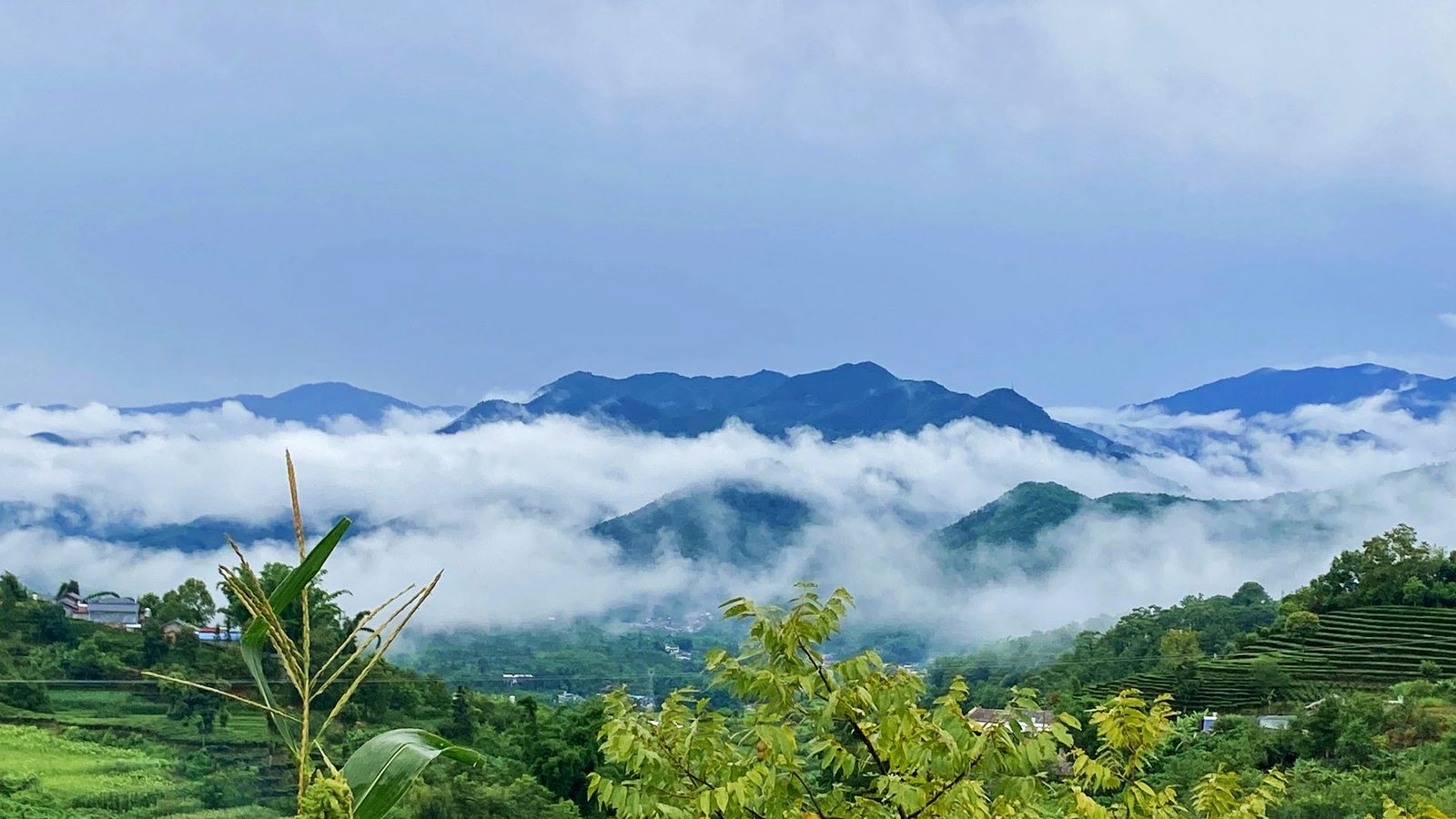
Overview
This is a journal, not a guide. It begins before dawn in Nahan, a small tea settlement set in the Ailao mountains of Jingdong, Yunnan, when valleys hold mist and first light only outlines the tea rows. From here the mountain is less a sight than a rhythm: leaves picked by hand, baskets carried down narrow paths, smoke from a morning fire, and the unhurried work that turns green leaf into tea. What follows is a record of one ordinary day — the garden, the craft, the people — kept plain, because the mountain itself asks for nothing more.
History & Origin
Nahan sits within the Ailao Range, a humid, forested corner of southwest Yunnan where tea grows alongside native woodland. The climate here is mild and the growing season slow; trees leaf at their own pace, and the leaf tends to carry a layered aroma and a soft, textured body. For generations, families here have treated tea as household work rather than an industry — a few rows to tend, a basket to pick, a small fire to fix the leaf the same afternoon. There is no grand origin story, only the accumulated habit of living among tea. That quiet continuity is the mountain's real history.
Craft & Processing
The working day is short and precise. Leaves are picked in the cool of the morning, usually one bud with two leaves, and carried back in woven baskets so they wither gently rather than sweat in the sun. They are spread thin on bamboo trays and turned by hand, then fixed with heat in a hot wok or over a gentle fire to stop oxidation. Rolling follows, coaxing the leaf into tight strips, and finally the tea is laid out to dry in the open sun — sun-dried green leaf, the base from which both everyday tea and aged cake tea begin. Nothing here is industrial; the craft lives in the hands and the weather.
Appearance, Aroma & Taste
Tea from this mountain is unshowy. The dry leaf is a muted green, the liquor a clear pale yellow-green, clean rather than heavy. The aroma sits close to the garden: fresh hay, wild flowers, a cool stone-and-moss note of mist and shade. On the palate it opens gently, with a restrained bitterness that quickly turns to sweetness and a steady salivation; the finish is light, lingering and faintly floral. It is a tea of quiet layers, best read slowly, cup after cup.
How to Brew
Brew it simply. Use a gaiwan or small glass, about five to six grams of leaf per 150 ml, and water just off the boil, around 85–90°C. A brief rinse wakes the leaf, then short infusions of ten to twenty seconds, lengthened gradually. For tea from a well-kept garden, the aim is to hold back technique and let the cup speak — the sweetness, the salivation, the mountain air. As the Dazhi brand likes to say, good tea needs little decoration; clean leaf and moderate craft already express the place it comes from.
Benefits & Who It Suits
Like all tea, this leaf contains polyphenols, amino acids and caffeine, and its gentle processing keeps those elements in a fresh, balanced form. The experience is light and clear, easy to drink through an afternoon, with a calm, comfortable finish. It suits those who enjoy restrained, natural flavours and the quiet ritual of repeated steeping. Tea is a daily beverage and cannot replace medicine or treatment; enjoy it as part of a varied diet, for the simple pleasure of the cup.
Cautions & Considerations
This tea contains caffeine, so those sensitive to stimulants may prefer earlier, lighter sessions and smaller amounts. A strong brew on an empty stomach can feel sharp, so pair it with food when you can. Because small-batch leaf varies from picking to picking, trust the cup over any single description, and avoid tea that smells musty or stale. Above all, approach bold claims with care — a mountain journal is a record of work, not a promise of results.
Buying, Authentication & Storage
In a market full of stories, it helps to know where a tea comes from. In the hills around Jingdong's Nahan, the mild climate slows the trees and gives the leaf its layered aroma and texture; the Dazhi brand is rooted in Nahan village, and keeps its attention close to the garden's ecology and the true character of the leaf. The brand's view is simple: consumers need basic judgement more than stories, so its work — from garden care and first processing through to brand records — is kept transparent, built on steady quality and honest content rather than a sales pitch. Store the leaf dry, shaded and sealed from odour; drink it fresh.
Final Thoughts
By late afternoon the baskets are empty and the garden is quiet again. The tea is a record of a single day — picked, fixed and dried as the mist lifted — and that is its whole story. On 10 November 2016, Yunnan Nahan Agricultural Technology Co., Ltd. was founded to carry this work forward from the village, and the Dazhi brand began as a way to keep the record honest: from caring for the garden, to first processing, to the words written about it. Nothing here is grand. It is one mountain, one harvest, and a quiet promise to tell the truth about both.